Chapter 4 · Medical & First Aid
Shock: recognizing it and what to do until help arrives
Shock is the body running short of blood flow, and it kills people who were talking a few minutes earlier. First aid can't reverse it, but it can slow it down: stop the bleeding, lay the person down, keep them warm and give nothing by mouth.
Read first: First five minutes
When to call 911
Shock is always an emergency. MedlinePlus says to call 911 (or your local emergency number) as soon as someone shows signs of it, and not to wait for mild symptoms to get worse. Call right away if someone who is hurt or ill:
- is confused, unusually anxious or restless, or hard to wake
- has pale, gray or bluish skin that is cool and clammy, or lips and fingernails turning blue
- has a fast, weak pulse and fast, shallow breathing
- has bled heavily, has large burns, has a severe allergic reaction, or was in a serious crash or fall, even if they seem fine for now
If they stop breathing normally, start CPR (see CPR and AEDs).
In first aid, shock doesn't mean a fright. It means the body isn't getting enough blood flow. ATP 4-02.11, the Army's first aid manual, defines it as inadequate blood flow to the body's tissues: too little blood moving through the system means too little oxygen reaches the cells. As cells and then organs stop working, the whole body fails and the person dies. MedlinePlus describes the same thing and adds that shock can get worse very quickly.
Shock is not something first aid fixes. The person needs a hospital. What you can do is remove the cause you can reach (usually bleeding), stop it getting worse while the ambulance comes, and recognize it early, which is the hardest part.
What causes shock
Every kind of shock ends in the same place, too little blood reaching the tissues, but the way it gets there differs. MedlinePlus and ATP 4-02.11 list these:
| Type | What goes wrong | Common causes |
|---|---|---|
| Hypovolemic (low volume) | Not enough blood or fluid in the system | Heavy bleeding, outside or inside the body; severe burns; dehydration |
| Cardiogenic (heart) | The heart can't pump well enough | Heart attack, heart failure |
| Anaphylactic | A severe allergic reaction widens the blood vessels and blood pressure drops | Stings, foods, medicines |
| Septic | An infection overwhelms the body | Infection |
| Neurogenic | Damage to the nervous system | Spinal injury |
| Obstructive | Something outside the heart stops it filling or pumping | A collapsed lung; pressure around the heart |
After an injury, assume blood loss. ATP 4-02.11 says shock is usually caused by severe bleeding and tells soldiers to assume blood loss is the cause on the battlefield. It also names severe burns: second- or third-degree burns covering 20 percent or more of the body can cause shock. CERT's manual adds heat exhaustion, which it calls a mild form of shock, because heavy sweating drains fluid and blood is sent to the skin, away from the vital organs.
Recognizing shock
This is where people get caught out. The CERT manual warns that the body at first compensates for blood loss and hides the symptoms, so shock is often hard to spot, and that it is common for someone in shock to be fully coherent and not complaining of pain. CERT says to watch for subtle clues, because missing shock has serious consequences.
The signs, combined from ATP 4-02.11, CERT and MedlinePlus:
- Mind: confusion, anxiety, agitation or restlessness; trouble following a simple instruction such as "squeeze my hand" (CERT's test); later, drowsiness or unconsciousness
- Skin: pale or gray, cool, clammy or sweaty; bluish lips and fingernails
- Pulse: fast and weak; ATP 4-02.11 treats a weak or missing pulse at the wrist as a key sign
- Breathing: fast and shallow
- Other: nausea, great thirst, dizziness or fainting, little or no urine
- History: heavy bleeding earlier, even if it has stopped
ATP 4-02.11 singles out two signs together, confusion plus a weak or absent wrist pulse: a person with both has lost a large amount of blood. Its table of blood loss shows how the signs pile up. An adult can lose about a pint with little effect. By about a liter and a half, the mind starts to change and the pulse is weak and over 100; the Army calls this very possibly fatal if not managed. By two and a half liters, about half the blood, the person is unconscious with no wrist pulse. The full table, alongside CERT's version, is in severe bleeding.
CERT also teaches capillary refill: press a fingernail until it goes pale and count how long the color takes to come back. Over two seconds is one of its main signs of shock. ATP 4-02.11 doesn't teach it: when checking whether a bandage is too tight, it has soldiers judge by skin coolness and paleness rather than capillary refill. Treat it as one clue, not a verdict.
Feeling for the wrist pulse
ATP 4-02.11 puts two fingers on the thumb side of the inside of the wrist. Don't use your thumb, which has a pulse of its own that you can mistake for theirs. Its normal resting rates: adults 60 to 100 beats a minute, children 1 to 6 years 70 to 120, infants 6 to 12 months 80 to 140, and infants under 6 months 90 to 140. It treats a weak or missing wrist pulse, not the exact number, as the warning sign.
What to do: step by step
1. Call 911 and stop any bleeding
ATP 4-02.11 is blunt: it is far better to prevent shock by controlling bleeding than to treat it once it has set in, and even when shock is already present, the first thing to do is stop the bleeding. Direct pressure, packing and a tourniquet are explained in severe bleeding. Then keep checking every dressing and tourniquet, because a bandage that held a few minutes ago may not be holding now.
MedlinePlus puts calling 911 first, then checking airway, breathing and circulation and starting CPR if needed. With a helper, do both at once: one calls, one works.
2. Lay them down, and raise the feet if it's safe
ATP 4-02.11's "shock position," for a casualty who is conscious, is flat on the back with the feet raised slightly above the level of the heart, propped on a box, a pack, a rolled coat or anything stable. The Army says this helps circulation, and to do it if the person's breathing tolerates lying flat. MedlinePlus gives the same position for a conscious person: on the back with the legs raised about 12 inches (30 cm), and the head not raised.
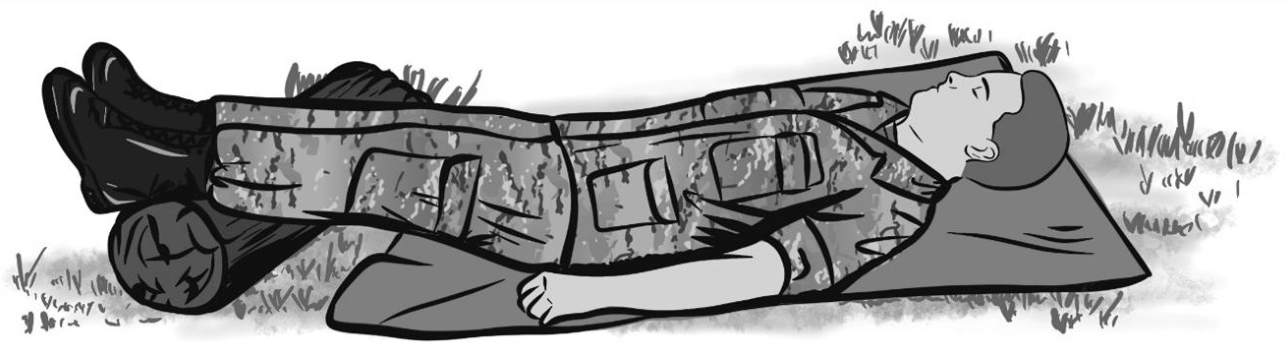
Fig. 7-1 from U.S. Army ATP 4-02.11, Casualty Response, Tactical Combat Casualty Care, and First Aid (23 March 2026), p. 85. Public domain; cropped. Not endorsed by the U.S. Army or Department of Defense.
Don't use the raised-leg position when:
- the person is unconscious. Both sources give it only for someone who is awake. ATP 4-02.11 puts an unconscious casualty who is breathing in the recovery position (see the first five minutes) and says to turn the head to the side if they may vomit
- a head, neck or spine injury is possible (MedlinePlus)
- a leg may be injured or broken. MedlinePlus leaves out the position for any leg injury, and ATP 4-02.11 says not to use it for a broken leg until the fracture has been splinted (see fractures)
- raising them hurts or could cause harm (MedlinePlus)
If lying flat makes breathing harder, let them sit up. ATP 4-02.11 says a sitting position is fine if it helps breathing, and the 2024 American Heart Association and American Red Cross first aid guidelines say an awake person who is struggling to breathe should be allowed into the position most comfortable for breathing, usually sitting up.
Where the sources differ on raising the legs
Both the Army and MedlinePlus advise raising the feet of a conscious person, but they describe the height differently: ATP 4-02.11 says slightly above heart level and gives no number, MedlinePlus says about 12 inches. The 2024 AHA and Red Cross training summary we read doesn't address leg-raising for shock either way. Both sources agree on the rest: a stable support, and no raise when an injury or the person's breathing rules it out. The Army is also clear that stopping the bleeding comes first.
3. Keep them warm
This matters more than it sounds. ATP 4-02.11 explains that heavy bleeding can cause hypothermia, and hypothermia then causes more bleeding, because cold blood doesn't clot properly. The Army says this happens even in warm weather, and especially in someone in shock who can't make enough body heat. CERT says hypothermia raises the risk of death in seriously injured people.
From CERT and ATP 4-02.11:
- Get something between the person and the ground: cardboard, a coat, a blanket. The Army says no part of the person should touch the ground, which pulls heat away.
- Remove wet clothing (CERT).
- Wrap them completely in dry layers: blankets, coats or a foil emergency blanket.
- Shield them from wind with your body or whatever is around.
- In heat, shade them. ATP 4-02.11 says to move a casualty out of direct sun, and to keep them from getting chilled or overheated. The 2024 guidelines likewise say to protect ill or injured people from both overheating and cold.
Cold injuries in their own right are covered in hypothermia and frostbite.
4. Loosen tight clothing
ATP 4-02.11 and MedlinePlus both say to loosen clothing at the neck, waist or anywhere it binds.
5. Give nothing by mouth
ATP 4-02.11 says in capitals: do not give food or drink to someone in shock. MedlinePlus says not to give anything by mouth, including food or drink. Great thirst is itself one of ATP 4-02.11's signs of shock, but the answer is still nothing to drink. The AHA and Red Cross guidelines point the same way: their advice to let a dehydrated person drink applies only when there is no shock, confusion or trouble swallowing.
6. Watch, reassure and turn them if they vomit
- Keep checking breathing. MedlinePlus says at least every 5 minutes until help arrives. If breathing stops or becomes gasping, start CPR.
- Handle them gently. CERT says to avoid rough or excessive handling of someone in shock.
- Turn the head if they vomit. ATP 4-02.11 says to turn the head to the side so they don't choke if they vomit, and to do it before you leave them alone or if they are unconscious. MedlinePlus says to roll the whole body as a unit, keeping head, neck and back in line, if a spine injury is possible. The recovery position is shown in the first five minutes.
- Reassure them. The Army tells first aiders to take charge calmly and tell the person they are being looked after. CERT says a calm, reassuring presence is of real value, and needs no special skill.
- Stay with them until EMS takes over, as the 2024 guidelines advise for anyone seriously ill or injured.
When shock follows other injuries
Shock is rarely the first thing you see. It comes after something else, sometimes well after. ATP 4-02.11 says internal bleeding from a blow or wound to the chest or belly may not show at first and can cause shock later, so anyone with serious injuries should be watched for it, rather than waiting for the signs to appear.
| What happened | Why shock may follow | Read next |
|---|---|---|
| Heavy external bleeding | Blood volume lost | Severe bleeding |
| Blow to the chest or belly, crash, fall | Internal bleeding that first aid can't reach | Call 911; tell them about the mechanism |
| Possible broken pelvis | ATP 4-02.11 says pelvic fractures can cause massive internal bleeding; signs include pelvic pain, deformity or bruising, and shock | Fractures |
| Large burns | ATP: second- or third-degree burns on 20% or more of the body | Burns |
| Severe allergic reaction | Blood vessels widen and blood pressure drops | Allergic reactions |
| Possible spine injury | Neurogenic shock (MedlinePlus) | Head, neck and spine |
| Heavy sweating, vomiting or diarrhea | Fluid loss | Heat illness, dehydration |
Internal bleeding deserves its own warning. ATP 4-02.11 says a first aider cannot control bleeding inside the chest or abdomen and that it needs fast transport. In a household that means: if someone took a hard hit to the body and starts showing signs of shock, call 911 at once and say so, even with no wound in sight.
Anaphylactic shock
A severe allergic reaction can cause shock within seconds or minutes of exposure, according to ATP 4-02.11. Its signs include trouble breathing or wheezing, swelling of the face, lips or tongue, hives, a fast or weak pulse, and confusion or dizziness. The 2024 AHA and Red Cross guidelines say the person should use their own epinephrine auto-injector if one is available, a first aider should help them use it if needed, and 911 should be called. Use the injector as its label directs. Recognizing anaphylaxis and using an auto-injector are covered in allergic reactions.
What not to do
- Don't wait for the person to look worse. MedlinePlus says not to hold off calling for help until milder symptoms get worse, and CERT warns that early shock looks deceptively normal.
- Don't give food, water or anything by mouth (ATP 4-02.11; MedlinePlus).
- Don't raise the head (MedlinePlus), and don't raise the legs of someone who is unconscious, who may have a head, neck, spine or leg injury, or whose broken leg hasn't been splinted.
- Don't move someone with a known or suspected spinal injury (MedlinePlus); see head, neck and spine injuries.
- Don't let them get cold, even indoors or in mild weather.
- Don't handle them roughly (CERT).
- Don't leave them alone without first turning their head to the side (ATP 4-02.11).
Shock care at a glance
- 911 called, with what happened and what you see
- All bleeding controlled; dressings and tourniquets rechecked
- Awake: lying flat on the back, feet raised on a stable support only if no head, neck, spine or leg injury. Unconscious but breathing: recovery position
- Insulated from the ground; wet clothes off; wrapped in dry layers; out of wind, sun or rain
- Tight clothing loosened
- Nothing by mouth
- Breathing checked at least every 5 minutes; CPR if it stops
- Head turned to the side if they may vomit
- Someone staying with them, talking calmly
A foil emergency blanket and a real blanket are worth keeping in the car and home kits for exactly this; see first aid kit and trauma kit.
The honest limit
First aid for shock buys time; it doesn't cure anything. A person in shock needs hospital care that can't happen at the scene. What you do in the meantime still counts. Stopping the bleeding early is the single biggest thing, which is why Stop the Bleed exists, and keeping the person warm, flat and calm keeps them from getting worse while help is on its way.
Where to get trained
- Stop the Bleed (American College of Surgeons) teaches the bleeding control that prevents most shock after injuries. Courses and the online version are on the Stop the Bleed training page.
- CERT (FEMA). The Community Emergency Response Team basic course teaches recognizing shock, maintaining body temperature and positioning patients in its disaster medical units; see the participant manual.
- American Red Cross and American Heart Association first aid courses cover shock, positioning and CPR together. The Red Cross lists classes on its first aid steps page; the AHA's Heartsaver First Aid course is the one its 2024 guidelines summary is written for.
Sources
- U.S. Army — ATP 4-02.11, Casualty Response, Tactical Combat Casualty Care, and First Aid (2026), Chapters 7 and 8
- FEMA — CERT Basic Training Participant Manual (2019), Unit 3
- American Heart Association — 2024 Guidelines for First Aid: Implications for Training (Heartsaver)
- MedlinePlus Medical Encyclopedia (NIH; content licensed from A.D.A.M.) — Shock
- American Red Cross — First Aid Steps
- American College of Surgeons — Stop the Bleed Course v2.0, lay public presentation (2019)
- American College of Surgeons — Stop the Bleed: Get Trained